

It’s time to stroll
Smooth rides. Refined style.


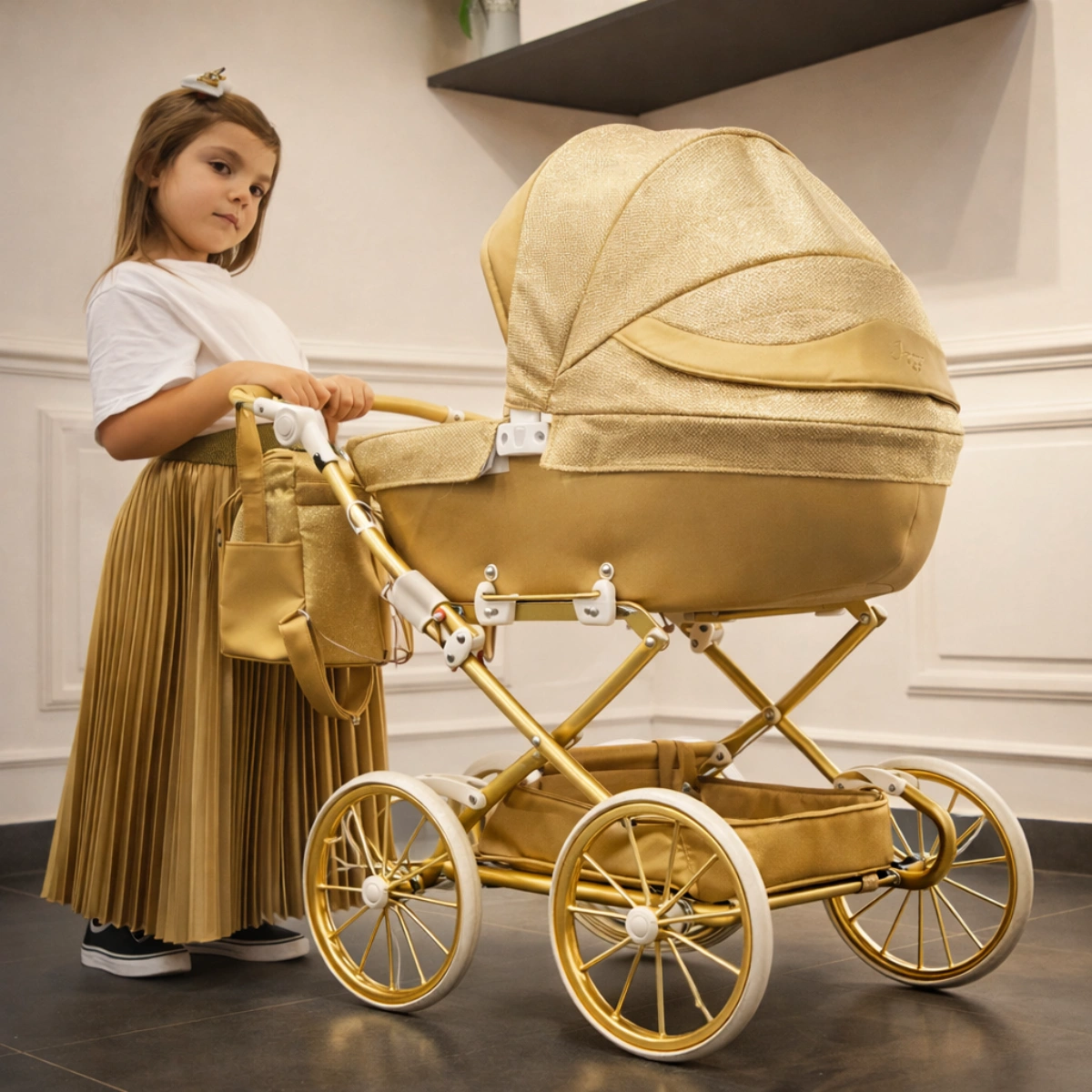

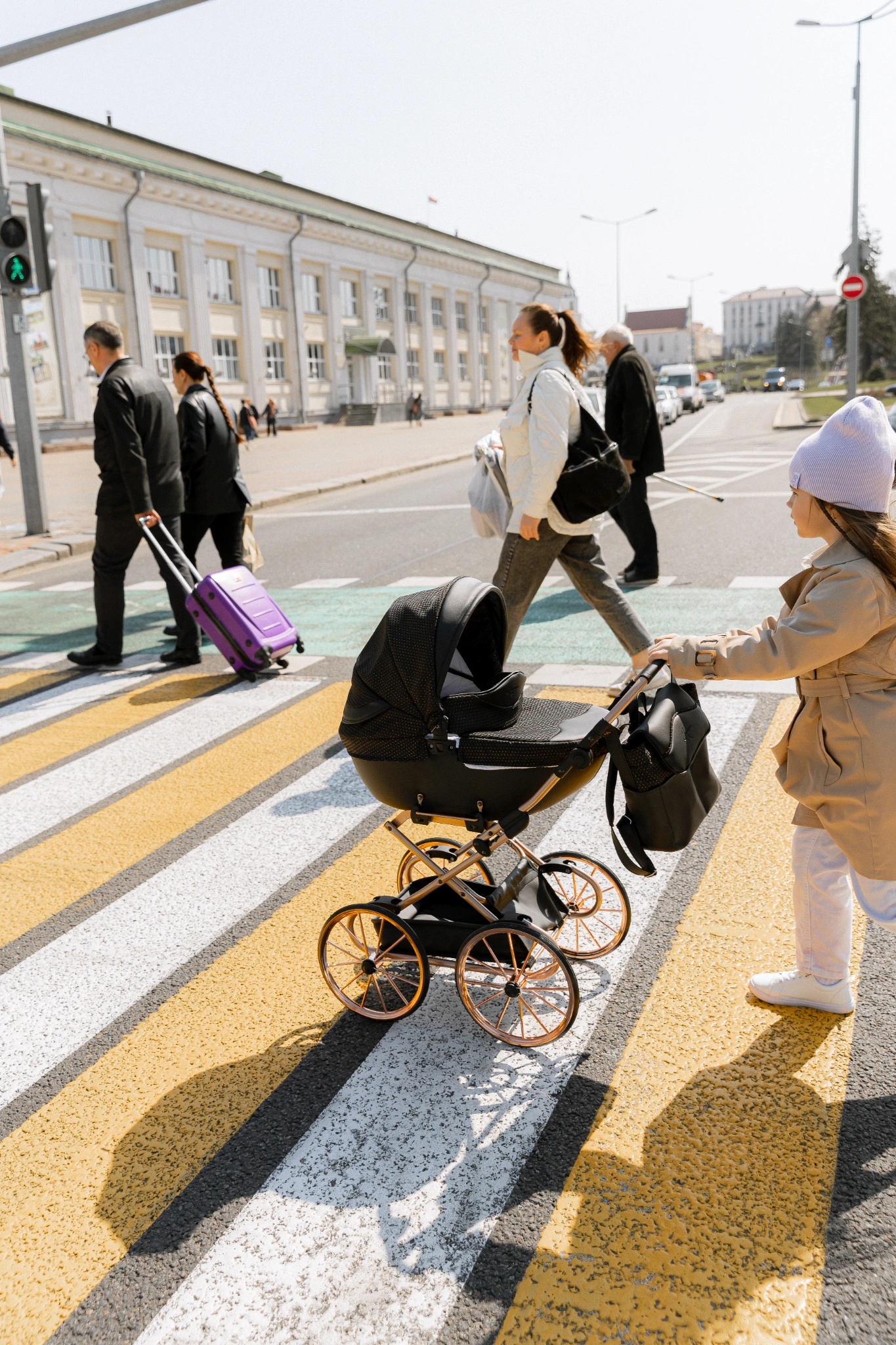
Follow us on Instagram
Discover how our strollers are used by families around the world.

Baby Strollers – Everyday Mobility for Infants and Toddlers
Baby strollers are essential mobility products designed to transport infants and young children safely and comfortably. This category includes a wide range of stroller types adapted to different lifestyles, environments, and stages of child development. Baby strollers are commonly used by parents, caregivers, and families who need a practical way to move with a child in daily and travel scenarios.
Who Uses Baby Strollers and When?
Baby strollers are used across many everyday situations, especially where carrying a child for longer periods becomes impractical.
Typical users and use cases include:
- Parents of newborns and infants – for daily walks, errands, and appointments
- Families living in urban areas – navigating sidewalks, shopping malls, and public transport
- Traveling families – airports, hotels, and sightseeing
- Caregivers and nannies – managing mobility during childcare routines
- Parents with multiple children – handling siblings in shared or separate seating setups
In regions like the UAE, strollers are frequently used in indoor, air-conditioned spaces such as malls, as well as in outdoor environments with appropriate sun protection.
Understanding How Baby Strollers Are Used
Baby strollers serve as a mobile seating and transport system for children who cannot walk long distances or need rest during outings.
Their use depends on factors such as:
- Child’s age and development stage
- Environment (urban, travel, indoor, outdoor)
- Duration of use (short trips vs. extended outings)
For example:
- Compact designs are often associated with short trips and travel
- Larger, more structured models are typically used for longer walks and everyday use
- Multi-functional systems are used when combining car travel and walking
This category includes solutions that balance mobility, comfort, and practicality rather than focusing on a single use case.
Main Types of Baby Strollers
Understanding the main stroller categories helps orient within the available options:
1. Full-Size Strollers
- Designed for everyday use
- Often include larger frames, storage space, and multiple features
- Suitable for longer outings and varied terrain
2. Lightweight / Umbrella Strollers
- Compact and easy to carry
- Typically used for travel, quick errands, and older babies
- Focus on portability over advanced features
3. Travel System Strollers
- Combine stroller and infant car seat compatibility
- Allow transition between car and stroller without waking the baby
- Commonly used from birth through early toddler stages
4. Reversible / Modular Strollers
- Seat can face parent or forward
- Adaptable to different developmental stages
- Often part of modular systems
5. Jogging Strollers
- Built for movement on uneven surfaces or while running
- Larger wheels and suspension systems
- Used in outdoor and active environments
6. Double and Multi-Child Strollers
- Designed for twins or siblings
- Available in side-by-side or tandem layouts
- Used in families with more than one small child
Simplified comparison:
- Portability → Lightweight models
- Versatility → Modular and travel systems
- Stability outdoors → Jogging strollers
- Multi-child use → Double strollers
Key Features and Parameters to Consider
When exploring baby strollers, users often compare core technical and functional aspects:
- Weight and foldability – impacts transport and storage, especially in small apartments
- Wheel type and suspension – affects performance on sidewalks, malls, or uneven terrain
- Seat configuration – fixed, reclining, or reversible
- Harness system – typically 3-point or 5-point for securing the child
- Sun canopy and ventilation – important in warm climates
- Storage capacity – baskets and compartments for daily essentials
- Materials and fabric – breathability, durability, and ease of cleaning
- Compatibility – ability to attach car seats or accessories
These elements influence how the stroller performs in real-world scenarios rather than defining one “best” solution.
What Is a Baby Stroller and How Does It Work?
A baby stroller is a wheeled transport device that allows a child to sit or lie down while being pushed by a caregiver.
It typically consists of:
- A frame with wheels for mobility
- A seat or bassinet for the child
- A handlebar for pushing
- A folding mechanism for storage and transport
Strollers are designed to provide a safe, stable, and comfortable environment for the child while reducing physical strain on the caregiver.
Frequently Asked Questions (FAQ)
What is the difference between a stroller and a pram?
A pram is typically designed for newborns lying flat, while a stroller is more versatile and used for sitting or reclining positions.
What age can a baby use a stroller?
Many strollers are suitable from birth when used with a flat recline or bassinet; others are designed for older infants.
How long can a baby stay in a stroller?
It depends on age and comfort, but regular breaks are generally recommended during longer outings.
Are baby strollers safe?
When used correctly with a proper harness system and on stable surfaces, strollers are considered safe.
What features help in hot climates like the UAE?
Ventilation panels, breathable fabrics, and extended sun canopies help improve comfort.
Can you take a stroller on a plane?
In many cases yes, especially compact or foldable models, though policies vary by airline.
Is a stroller or baby carrier better?
They serve different purposes—strollers are better for longer distances, carriers for mobility in tight spaces.
Do I need more than one stroller?
In some cases, families use different types for travel and everyday use.
Practical Tips for Everyday Use
- Ensure the harness is always properly secured
- Avoid hanging heavy bags on handles to prevent tipping
- Regularly check wheels and brakes for smooth operation
- Clean fabrics and frames to prevent mold and dirt buildup
- Use sun protection in hot weather to reduce heat exposure
- Fold and store the stroller properly to avoid damage
- Be mindful of stroller size in crowded or narrow spaces
Explore Different Baby Stroller Options
Within this category, you can explore a range of stroller types based on different needs and use cases. Options are typically grouped by:
- Travel-friendly designs
- Everyday urban use
- Multi-child configurations
- Outdoor and active use
Each group addresses different aspects of mobility, comfort, and convenience.
Summary
Baby strollers are a fundamental part of daily life with a child, supporting mobility across a wide range of environments—from indoor spaces to travel and outdoor use. This category helps you understand the available types, features, and applications so you can better navigate the options.
Explore the available baby strollers to find solutions that align with your lifestyle, environment, and everyday routines.
Show less